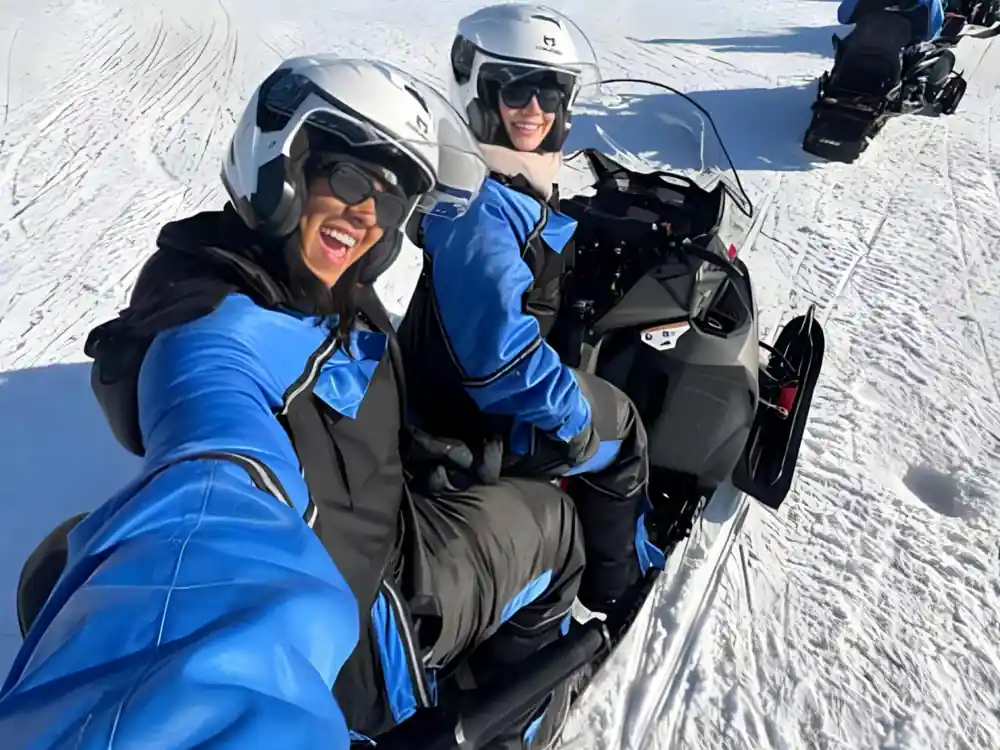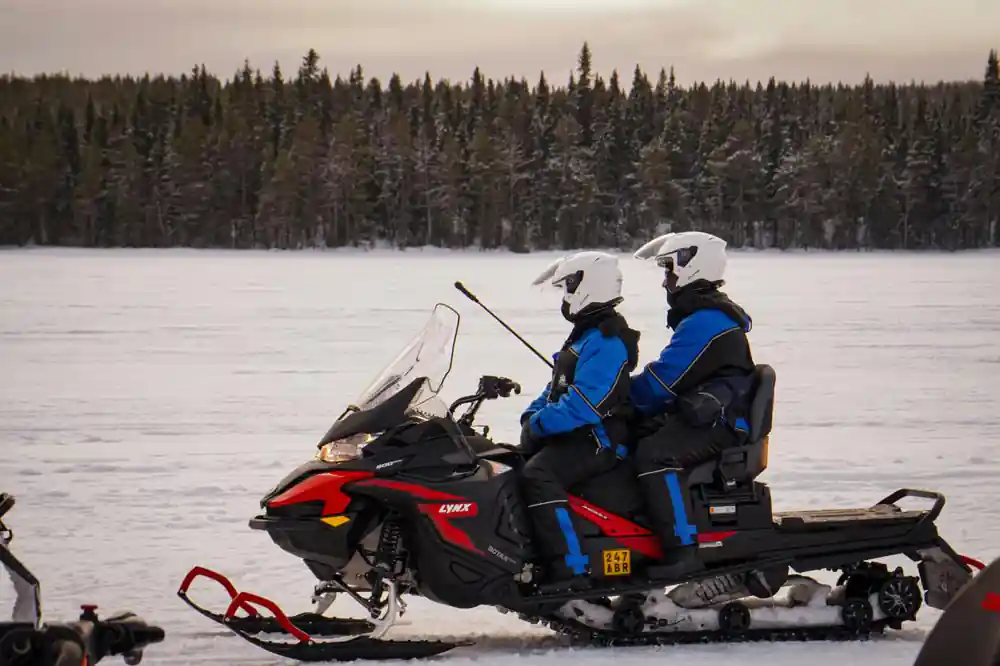
The quick version
- A wicking base layer, one mid layer and a windproof shell beat five thick jumpers, because squeezed layers stop trapping the warm air that insulates you.
- Mittens keep fingers warmer than gloves, and boots must stay roomy. Socks so thick that your boots grip your toes make cold feet worse, not better.
- A balaclava under the helmet, lip balm, sunscreen and tinted goggles handle the wind, the glare and the dry air of a long ride out on the snow.
- One message to the operator tells you whether bibs, boots, helmet and balaclava come with the tour, and what you still need to pack in your own bag.
- Cold shuts phones down. Carry devices in an inside pocket, add a small power bank, and charge everything fully before you leave the accommodation.
- Top choice New 2025 Arctic Safari from US$137 Duration3 hours[1]Rating4.71 from 2,278 reviews[1]GuideLive tour guide in English[1]CancellationCancel up to 24 hours ahead[1] Check availability
- Guided Wilderness Ride from US$119 Duration2 hours[2]Rating4.75 from 783 reviews[2]GuideLive tour guide in English[2]CancellationCancel up to 24 hours ahead[2] See this tour
- Snowmobile & Ice Fishing from US$218 Duration5 - 6 hours[3]Rating4.79 from 920 reviews[3]GuideLive tour guide in English[3]CancellationCancel up to 24 hours ahead[3] See this tour
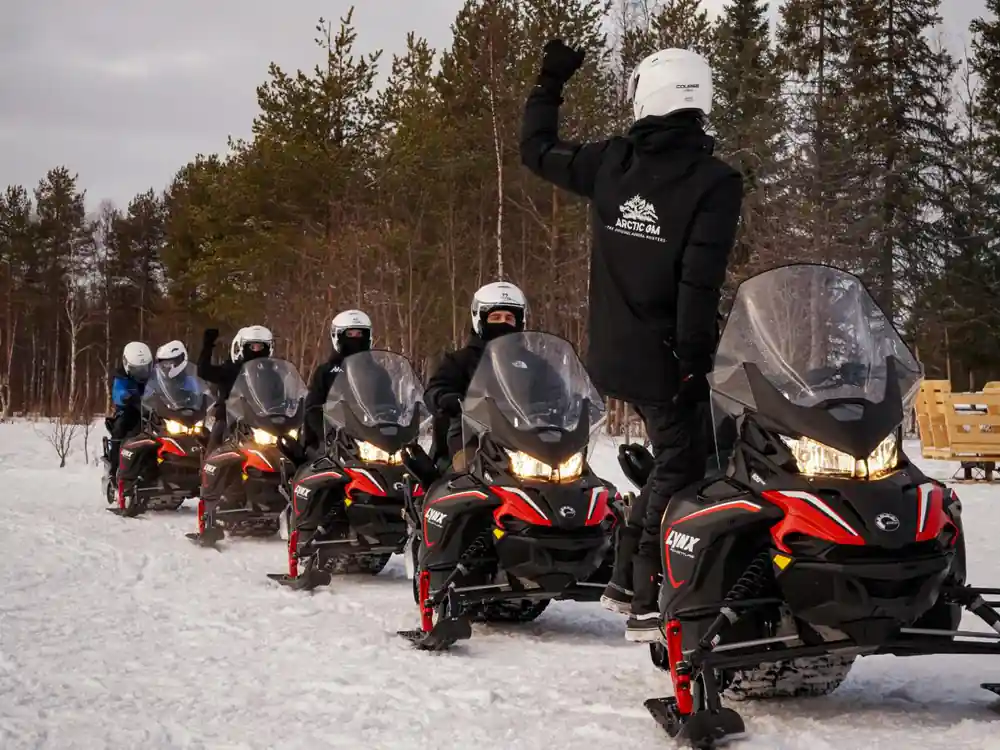
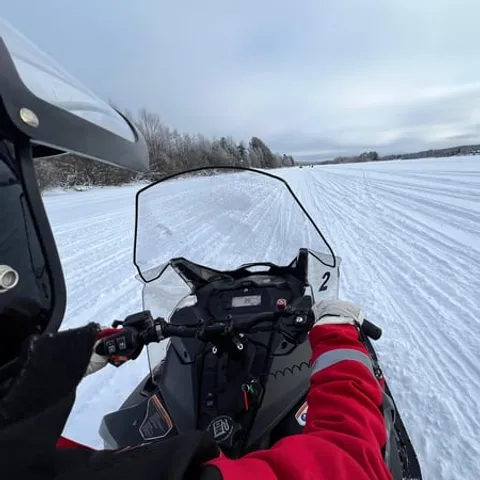
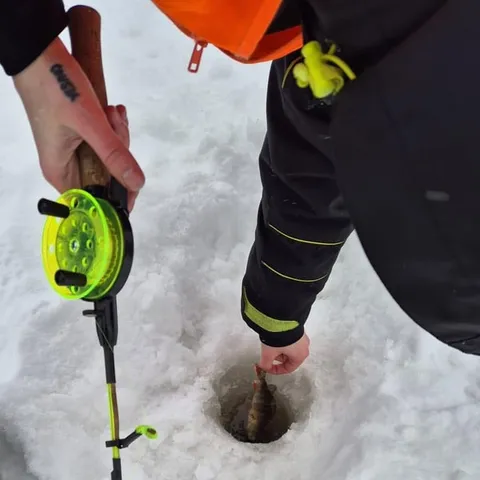
🌡️ Average December temperature: -4°c (25°f) to -11°c (12°f), but has been known to reach -30°c (-22°f)!!
What to Wear on a Rovaniemi Snowmobile Safari
What to pack for the cold
- Merino or synthetic base layer, never cotton next to the skin
- One insulating mid layer, such as a fleece or thin down jacket
- Mittens, thin liner gloves and a balaclava that fits under a helmet
- Tinted goggles and sunscreen for snow glare on open lakes
How Cold a Rovaniemi Snowmobile Safari Really Gets
Rovaniemi sits right on the Arctic Circle, and winter here is dry, still and properly cold rather than damp. In December, temperatures average between -4°C and -11°C, and have been known to reach -30°C.[4] Snow stays on the ground for seven months, more than half of the year.[5] Locals keep heavy outer shells, roomy boots and mittens by the door all winter. The numbers can look alarming if you are booking a first safari. They are manageable, but only with the right kit: dress badly and the ride feels endless, dress well and you will be warm enough to enjoy the forest, the light and the silence.
The cold itself is only half of it. On a snowmobile you generate very little heat, because you sit still while the machine moves you through the air at speed, and that moving air strips warmth off exposed skin far faster than the same temperature standing in a yard. Add the open ice of a frozen lake, the spray of loose snow off the track and a long stretch in the saddle, and the weak points become obvious: fingers, toes, cheeks and nose. Hands usually feel it first, gripping cold handlebars. Prepare those four places and the rest of you will be fine.
What the Operator Provides for Warmth
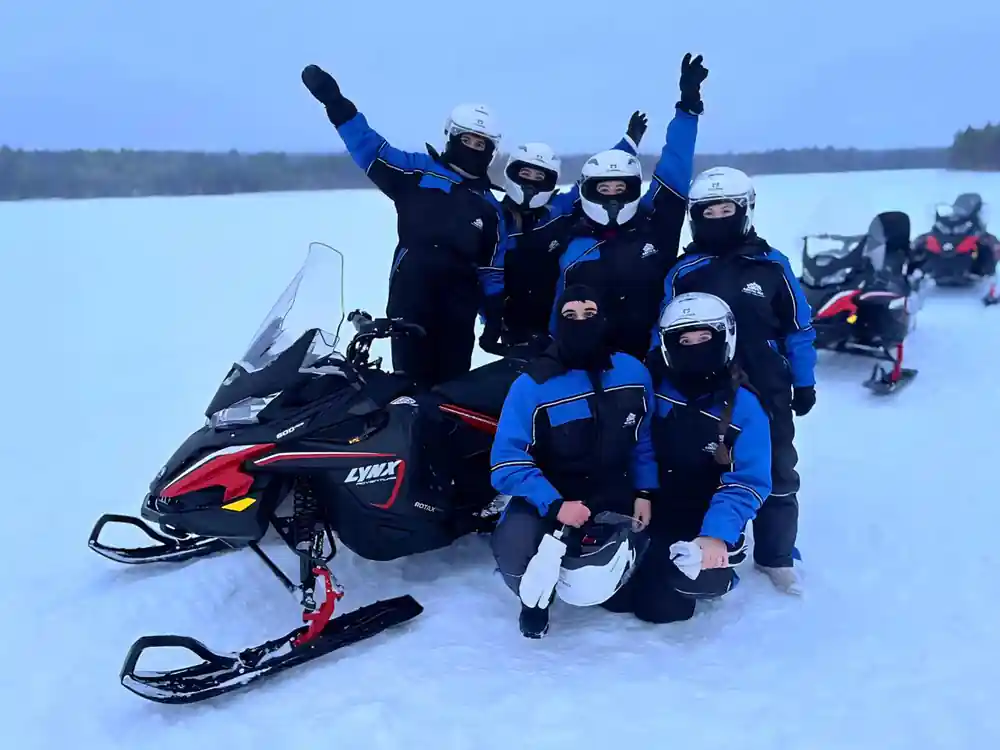
Warmth on a snowmobile safari is a partnership between you and the company you book with. The operator can hand you the heavy, bulky kit that nobody wants to fly with, and you bring the layers that go underneath. Before you pack, read the booking page and send one short message asking four things: whether a thermal suit or separate bibs and jacket are supplied, whether snow boots, helmet and balaclava come with them, what sizes are held, and what you should still bring yourself. An answer in writing beats a guess at the airport.
There is a practical reason this matters. Outerwear built for riding a snowmobile is windproof, sheds snow and is cut loose enough to pull on over your own clothes, which is hard to replicate with ordinary ski gear. Anything you borrow will fit better over thin layers than over a bulky jumper, so knowing the plan shapes what you pack. If the answer is that outer gear is provided, your suitcase shrinks to base layers, a fleece, socks, gloves and personal items. If it is not, you need a windproof and waterproof shell of your own plus insulated trousers.
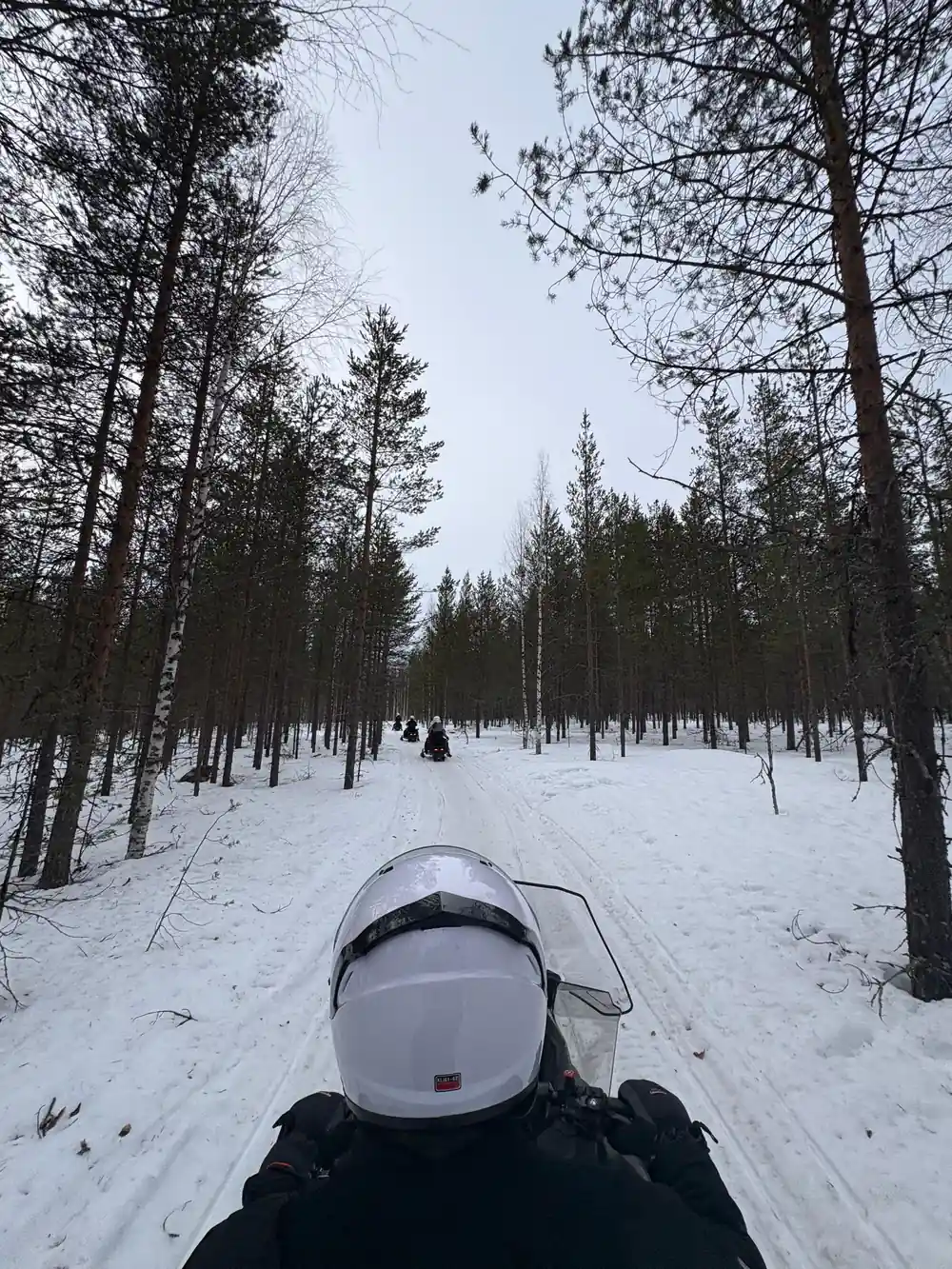
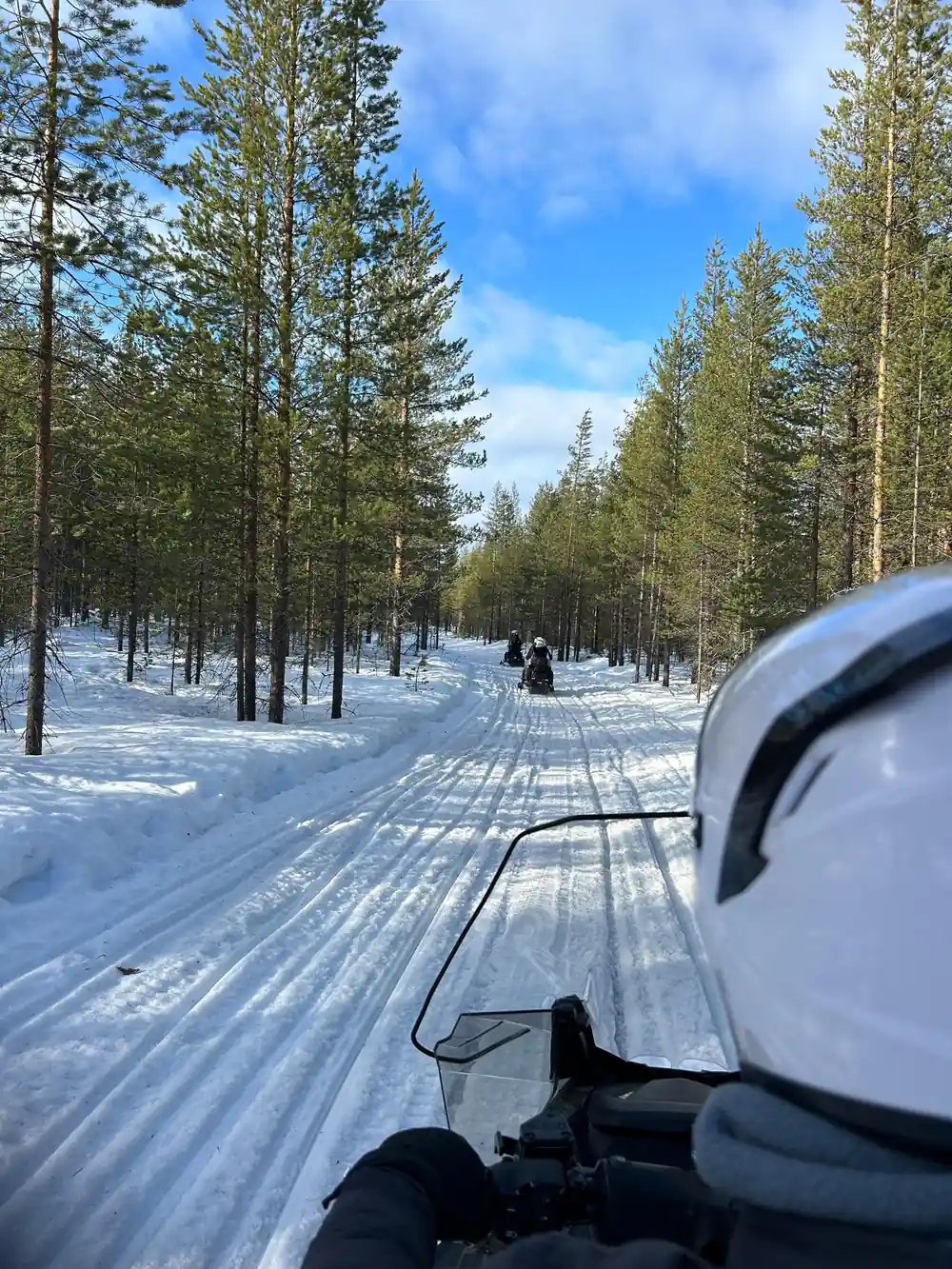
Fresh snow on the trail out of Rovaniemi
Building Layers Under Your Arctic Snowmobile Bibs
Start with a base layer that sits against the skin and moves sweat away: merino wool or a synthetic fabric, never cotton. Cotton soaks up moisture and holds it against your body, which is the opposite of what you want when the air is well below freezing. On top of that, add one insulating mid layer, a fleece, a thin down jacket or a wool jumper. The outermost layer is the windproof, snow-shedding shell: bibs and a jacket, yours or the operator's. Two or three layers done properly beat five layers crammed together, because trapped air is what insulates and squeezing layers flat destroys it.
Fit matters as much as fabric. A shell that is tight across the shoulders restricts you on the machine, and boots that grip your toes cut circulation. Leave room at the torso for a mid layer, keep sleeves long enough to cover the wrist gap when you reach for the handlebars, and choose trousers or bibs that sit high over the waist rather than digging in. If you are buying arctic snowmobile bibs for the trip, look for a windproof outer fabric, a high back, adjustable braces and reinforced knees. Pack a spare base layer and spare socks in a dry bag.
Hands and Feet: The First Places to Get Cold
Fingers and toes cool first, because the body reduces blood flow to the extremities when it is cold and those points sit furthest from your core. Mittens keep hands warmer than gloves by letting fingers share heat, so take mittens as your main hand protection and thin liner gloves to wear underneath for fiddly work such as opening a zipper or a phone case. A gauntlet cuff that pulls over the jacket sleeve stops snow and wind getting in at the wrist, which is a small detail that makes a real difference out on an open lake.
Feet need the same care with one extra rule: never wear socks so thick that your boots become tight. A tight boot squeezes the insulating air out of the sock and slows circulation, and you end up colder than you would with a thinner sock in a roomier boot. Wear one pair of wool or synthetic socks, carry a spare pair in your bag, and knock the snow off your boots before you go indoors so it does not melt inside them. Loosen laces or straps before you settle onto the machine, and keep your feet moving when you stop for a break.
from US$137
The Arctic Safari with new 2025 snowmobiles is the tour booked from this site, listed at 3 hours and rated 4.71 from 2,278 reviews.[1]
Face Protection Against Arctic Wind on the Trail
Your face takes the wind head-on, and it is the part of you that cannot hide behind a shell. A helmet covers the top of your head, and a balaclava or thin neck gaiter underneath leaves only a narrow band around the eyes exposed. Choose one that fits under the helmet without bunching, and pull the jacket collar up over your chin. Avoid long, loose scarves, which flap and catch. Lip balm and a plain moisturiser help against wind and dry air, and sunscreen belongs in the same pocket: snow reflects a great deal of light, even on a grey afternoon.
If you wear glasses and do not plan to wear goggles, think about what happens when you stop. Lenses mist up when you move from cold air into a warm room, and breath that escapes upward under a balaclava fogs them while you ride. A balaclava with a nose flap that sends breath downward solves a lot of it. Give lenses a moment to settle before you pull goggles down over them, and wipe with a microfibre cloth rather than a glove. Fogged glasses at speed are more than an annoyance; they are a reason to slow down.
Dealing with Snow Glare and Contact Lenses
Snow is a giant mirror. Even when the sun sits low behind cloud, light bounces off lakes, tracks and open fields, and eyes can feel tired and gritty by the end of a ride. Goggles with a tinted or mirrored lens cut that glare and keep wind off your eyes at the same time. If you wear sunglasses under a helmet, check that the arms do not press into your temples under the padding, and use a strap so they stay put when you turn your head. Treat tinted eyewear as part of the kit rather than an optional extra.
Contact lens wearers generally do well, since lenses do not fog the way glasses do. The risk is dryness, especially in wind and in heated rooms, so take lubricating drops and a case with solution in case you want to take them out. Wash and dry your hands properly before touching your eyes, and remember that a glove dropped in soft snow is hard to find again. Carry a spare pair of glasses in an inside pocket as a backup. If you are new to contacts in cold conditions, test the combination on a shorter ride first.
Phones, Batteries and Cold Weather Photography
Lithium batteries dislike the cold. A phone that shows a healthy charge indoors can shut down after a while in a jacket pocket, and cameras behave the same way. Keep the phone in an inside pocket close to your body, ideally in a soft case, and take it out only when you want the shot. A small power bank in the same warm pocket gives you a second chance. If you want pictures while riding, agree with your guide about stopping, because pulling a phone out one-handed on a moving machine is a bad idea.
A simple routine covers most of it. Before the ride, charge everything fully and check that the camera battery is in the camera rather than in a cold bag. During the ride, keep devices warm and dry. Afterwards, let cameras and lenses come up to room temperature slowly inside their bag, so condensation forms on the outside rather than inside the lens. The Arctic Safari with the new 2025 snowmobiles is listed at 3 hours, short enough that one warm battery lasts the trip.[1] Back at base, hot drinks and dry socks finish the job.
Listed lengths of Rovaniemi snowmobile tours
Each bar is the duration stated on a GetYourGuide Rovaniemi snowmobile listing:[1] (3 hours),[2] (2 hours),[6] (2.5 hours),[7] (4 hours),[8] (6 hours).
Rovaniemi snowmobile tours, from prices
US dollar from prices of these listings:[1][2][3][8]
When to go and what the cold looks like
Dress for the ride
Start at the skin
Choose a merino or synthetic base layer that wicks. Cotton holds moisture against you and turns a cold ride into a miserable one.
Add one mid layer
A fleece or thin down jacket traps the air that insulates you. Save the bulky jumper for the airport, not for the trail.
Finish with a shell
Windproof bibs and a jacket go on top, yours or the operator's. Check that the sleeve reaches over your glove cuff.
Cover hands and face
Mittens over liner gloves, roomy boots with one pair of wool socks, and a balaclava under the helmet cover the cold spots.
Keep devices warm
Phones and cameras live in an inside pocket. Cold drains batteries quickly, and a small power bank is cheap insurance.
Ride the new 2025 snowmobiles on an Arctic safari
from US$137Reserve now & pay later